Picture Kaye, a 54-year-old warehouse picker whose 4 a.m. shift finishes only after 12 000 unforgiving steps. By lunchtime her plantar fascia screams, her picking speed dives and the line supervisor re-shuffles the roster. Multiply Kaye by the hundreds of thousands of Australians standing all day and you glimpse an economic slow-bleed that never makes the budget papers.
Author attribution not recorded
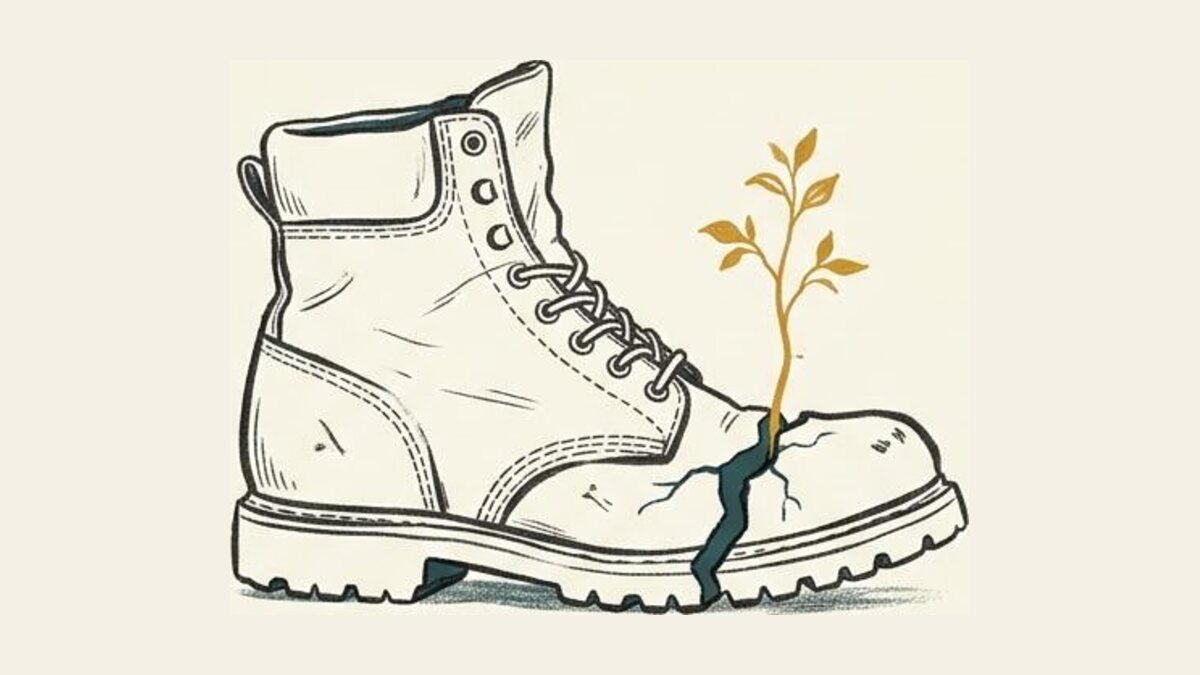
The invisible limp that slows a nation
Picture Kaye, a 54-year-old warehouse picker whose 4 a.m. shift finishes only after 12 000 unforgiving steps. By lunchtime her plantar fascia screams, her picking speed dives and the line supervisor re-shuffles the roster. Multiply Kaye by the hundreds of thousands of Australians standing all day and you glimpse an economic slow-bleed that never makes the budget papers.
Nearly one-third of us—7.3 million people—live with a chronic musculoskeletal condition¹. Foot pain alone affects 15–30 % of adults, rising to almost one in three by middle age². WorkCover data show 3.2 % of all accepted compensation claims in Queensland relate to toes or feet³. Yet the national conversation remains fixated on hips, knees and backs while the body’s literal foundation crumbles.
The real price tag
In 2019 Deloitte Access Economics valued chronic pain at $73.2 billion per year, with productivity losses alone topping $48.3 billion⁴. New data from the 2024 National Pain Survey paint an even starker picture: almost 50 % of working-age Australians with chronic pain are unable to work at all and a further 30 % can work only reduced hours⁵. Safe Work Australia estimates that eliminating work-related injuries would inject $28.6 billion into the economy each year and create 185 500 full-time jobs⁶.
Add the direct cost of surgeries, imaging, medications and GP consults and foot pain morphs from a private annoyance into a national productivity crisis.
Policy malpractice: why feet stay off the radar
Medicare’s five-visit glass ceiling The Chronic Disease Management scheme still caps allied-health rebates at five visits per 12 months. A patient with diabetic neuropathy, a plantar ulcer and Achilles tendinopathy can burn through that quota before a podiatrist finishes the baseline assessment. July 2025’s EPC overhaul shifted the administrative load from GPs to providers but added no new funding.
Funding silos and professional turf wars Federal spending rewards photogenic, high-cost procedures. Preventive podiatry, which keeps people working and away from theatres, languishes in the “other therapies” bucket, invisible next to physiotherapy and pharmacy line items.
Workforce bottlenecks A 2023 Monash analysis confirmed a national shortage of podiatrists, with rural areas hardest hit⁷. Fewer clinicians mean longer waits, during which minor heel soreness becomes disabling plantar fasciitis.
The ripple effects—felt from factory floor to boardroom
Individuals: lower income, opioid reliance, depression and social withdrawal.
Employers: absenteeism, presenteeism, workers-comp premiums, turnover and overtime costs.
Health-care system: repeat GP visits, imaging, orthopaedic referrals and potentially avoidable surgeries.
National economy: billions in lost GDP, lower tax revenue, higher welfare outlays.
When one retail worker slows to a shuffle, productivity dips. When tens of thousands do, GDP stumbles.
Evidence-based fixes hiding in plain sight
Early podiatry intervention cuts chronicity. A meta-analysis of 19 RCTs shows that foot orthoses outperform sham devices for plantar heel pain in the medium term, reducing pain scores and preventing chronic conversion⁸.
Tele-podiatry bridges the tyranny of distance. Store-and-forward systems for diabetic foot ulcers have cut amputations and hospitalisations by up to 90 % in Australian pilots⁹.
Workplace MSK prevention pays dividends. Safe Work modelling finds every dollar spent on ergonomic injury prevention returns more than four in reduced claims and downtime⁶.
A reform blueprint we can action this term
Lift the CDM podiatry cap to 10 visits for high-risk feet and index rebates to CPI.
Create rural podiatry incentives akin to the GP bulk-billing boost, and fast-track prescribing rights to ease specialist bottlenecks.
Embed foot-health risk assessments in WHS regulations for high-standing occupations.
Fund a five-yearly National Foot Health Survey led by AIHW to keep prevalence and cost data current.
Launch a “Feet First” public-education campaign through pharmacies, Parkruns and Bunnings sausage sizzles.
What employers can do tomorrow morning
Audit footwear procurement. Cheap boots are false economy; look for Australian-certified supportive options.
Enforce standing-break protocols and task rotation.
Book on-site podiatry workshops on stretching, load management and symptom triage.
Track injuries by body region to spot foot-related trends before claims explode.
Closing argument: stand-ups need stand-able feet
Australia is trying to power a trillion-dollar economy on 19th-century foot-care policy. Every time a nurse hobbles through rounds or a tradie skips a shift after an ankle sprain, national output dips. Thomas Edison said opportunity is missed because it’s dressed in overalls and looks like work. Ours is laced into ill-fitting steel-caps and limping. Fix the boots, fund the podiatrists and we unlock billions now pouring through the cracks in the national footpath. The first step to a stronger economy is the one taken without pain.
References
Australian Institute of Health and Welfare. Chronic musculoskeletal conditions. Canberra: AIHW; 2024. aihw.gov.au
Menz HB, et al. Prevalence and correlates of foot pain in a population-based study. J Foot Ankle Res. 2008;1:2. jfootankleres.biomedcentral.com
Murphy’s Law. Foot and toe injury compensation statistics. 2023. murphys-law.com.au
Deloitte Access Economics. The cost of pain in Australia. Sydney: Painaustralia; 2019. deloitte.com
Chronic Pain Australia. National Pain Survey 2024: The social and economic cost of chronic pain. Sydney: CPA; 2024. australian.physio
Safe Work Australia. Safer, healthier, wealthier: The economic value of reducing work-related injuries and illnesses. Canberra: SWA; 2024. safeworkaustralia.gov.au
Whittaker J, Oakman J, Stuckey R. A national shortage of podiatrists—another body blow to rural access. Melbourne: Monash University; 2023. monash.edu
Whittaker GA, et al. Foot orthoses for plantar heel pain: systematic review and meta-analysis. Br J Sports Med. 2018;52(5):322-330. bjsm.bmj.com
Lazzarini PA, et al. Does telehealth virtually heal diabetic foot ulcers? J Foot Ankle Res. 2011;4(Suppl 1):P31. jfootankleres.biomedcentral.com