Walk down any hospital corridor and you will meet brilliance wrapped in blue gowns: clinicians who stay late to comfort grieving families, nurses who spot a subtle sign that saves a life. Yet among these everyday heroes another figure walks—the white-coat sociopath. Charming, confident, ruthlessly goal-focused, they play by a different moral code. When the stakes are patients’ lives, that code becomes lethal.
Author attribution not recorded
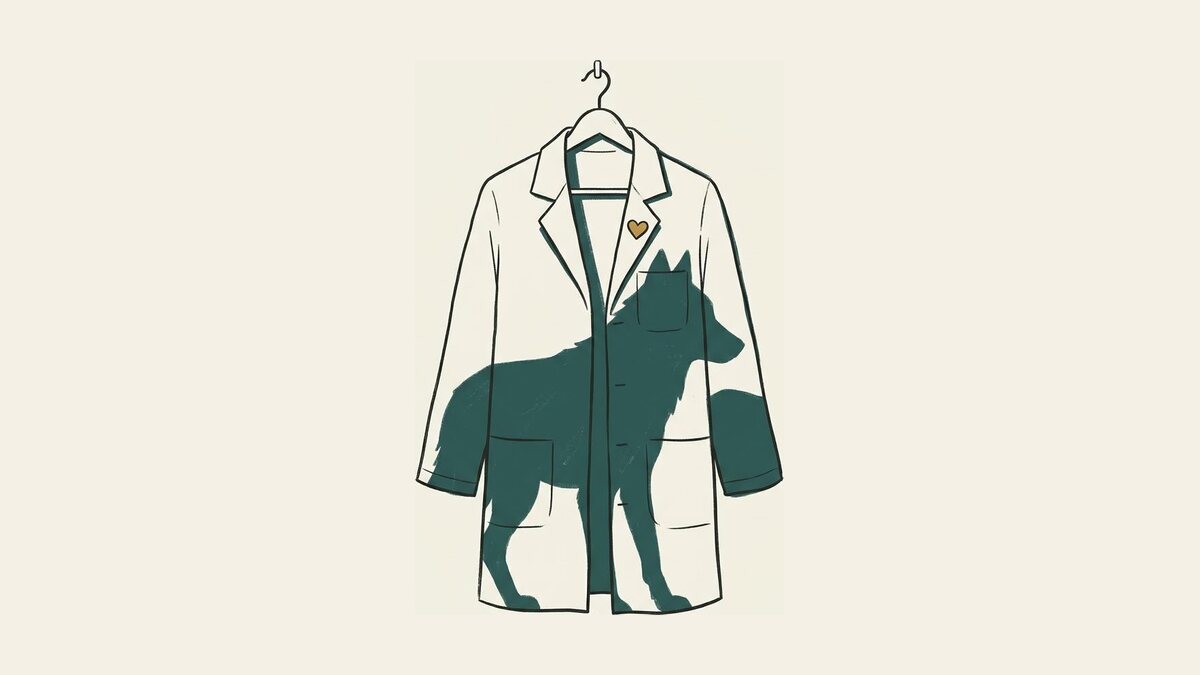
The Smiling Predator in Scrubs
Walk down any hospital corridor and you will meet brilliance wrapped in blue gowns: clinicians who stay late to comfort grieving families, nurses who spot a subtle sign that saves a life. Yet among these everyday heroes another figure walks—the white-coat sociopath. Charming, confident, ruthlessly goal-focused, they play by a different moral code. When the stakes are patients’ lives, that code becomes lethal.
The uncomfortable truth is that modern healthcare, designed to heal, can also provide perfect camouflage for those lacking empathy. They slip easily into leadership, research, even bedside roles, cloaked by prestige and by a culture that often equates confidence with competence.
A Culture That Loves Sharks
Western economies celebrate “winners.” From school report cards that rank children to corporate KPIs that reward raw numbers, we train people to compete first and collaborate second. Social scientists have long warned that free-market capitalism confers disproportionate rewards on individuals with psychopathic traits—superficial charm, fearlessness, manipulativeness—because those traits drive hard bargaining and risk-taking prized by investors and boards.(1,2)
Clive Boddy’s 2023 survey of 1 000 corporate leaders found that 13 % met clinical cut-offs for psychopathic traits—ten times the rate in the general population.(3) Unsurprisingly, many of these “high-functioning” psychopaths gravitate to sectors where money, status and secrecy intersect—finance, law, politics, and, increasingly, healthcare administration.
From Boardroom to Ward: Dark-Triad Traits in Healthcare
Psychopathy rarely travels alone; it shares genetic and behavioural scaffolding with narcissism and Machiavellianism, forming the so-called Dark Triad. Recent multisource research in hospitals shows that supervisors high on Dark-Triad scales undermine psychological safety, erode teamwork and ultimately reduce patient-care quality. (4,5)
Front-line clinicians pay the price. A 2024 faculty survey at a major U.S. academic centre linked low psychological safety to a 1.8-fold rise in physician burnout and a two-fold increase in intent to quit.(6) When a department chief belittles junior staff, blocks feedback, or pits teams against each other to spur “healthy competition,” errors go unreported, near-misses multiply and patients are harmed.
Why Sociopaths Thrive in Medicine
Prestige shields scrutiny. Titles like “Professor” or “Consultant Surgeon” confer automatic respect, dulling colleagues’ suspicion when something feels wrong.
Hierarchies mute dissent. A junior registrar who questions a star surgeon’s ethics risks career sabotage.
Metrics favour outcomes, not methods. High procedure counts, grant totals or revenue can hide abusive tactics.
Hero myths endure. We venerate the lone genius saving lives “by any means necessary,” a narrative that masks boundary-violating behaviour.
Case Files: Harm in Plain Sight
Farid Fata, MD – The Detroit oncologist gave hundreds of healthy people toxic chemotherapy to bill insurers, collecting US $34 million before a patient whistle-blower finally unmasked him in 2013; he is now serving 45 years. (7)
Paolo Macchiarini, MD – The celebrity thoracic surgeon persuaded elite institutions that plastic windpipes grown from stem cells were safe. Multiple patients died; an independent review called him “a dangerous conman with psychopathic tendencies.”(8,9)
These are extreme examples, but they underscore how charisma plus institutional blinkers equal catastrophe.
The Collateral Damage
Patient Safety: Dark-Triad leaders correlate with higher adverse-event rates because staff hide mistakes. (4)
Staff Well-Being: Chronic exposure to manipulative supervisors predicts moral injury and PTSD-like symptoms among nurses and residents.(5)
Organisational Reputation: One sociopathic executive can decimate public trust, invite litigation and trigger multimillion-dollar penalties.(3)
Spotting the Red Flags
Charm Offensive – excessive flattery up the chain, contempt down the chain. Classic grooming strategy to gain protection while intimidating subordinates.
Rule-Bending Justified as “Patient First” – rationalises unethical shortcuts; watch for lack of informed consent.
Serial Job Hopping with Glowing References – past employers may prefer to “pass the trash” rather than confront.
Grandiosity & Myth-Making – inflated CVs, unverifiable accolades signal potential fraud.
Zero-Sum Leadership – creates in-group vs out-group competition, siphoning credit for others’ work.
Outing the Predator: Practical Steps
Embed psychometric screening in senior hiring. Tools validated for Dark-Triad detection are inexpensive compared with malpractice payouts.(10)
Flatten hierarchies so a medical student can question a department head without fear.
Mandate 360-degree reviews; peer- plus subordinate feedback surfaces behavioural red flags.
Protect whistle-blowers with strong legal and psychological support.
Reward empathy—tie bonuses to patient-experience metrics and team well-being, not just revenue or publications.
Publish transparent data dashboards on infection rates, surgical outcomes and complaint counts; sunshine disinfects.
Re-Engineering Success
Psychopathy pays because we pay it. When institutions celebrate the highest biller or most “disruptive” innovator without auditing their methods, we invite moral compromise. Healthcare can flip these incentives:
Collaborative competence – reward teams whose collective diagnostics beat solo specialists.
Long-term outcomes over short-term wins – tie reimbursement to five-year survival, not procedure volume.
Narratives of care, not glory – spotlight clinicians who quietly prevent amputations or keep diabetic kids out of hospital, not only those who perform headline-grabbing surgeries.
Conclusion: Choosing the Care System We Deserve
Outing sociopaths in healthcare is not a witch-hunt; it is quality control. Most clinicians strive to do good in a system that often makes doing good hard. But if we continue to idolise charisma over character, speed over safety and revenue over relationships, we will keep handing scalpels to predators.
Empathy and excellence are not mutually exclusive; in fact, evidence shows they travel together.(6) By redesigning incentives, strengthening peer accountability and recognising the subtle art of caring, we ensure that the people who rise in medicine are those we would trust with our own lives—and not the smiling predator in scrubs.
References
Boddy C. Psychopathic capture within financial capitalism. J Crit Real. 2025.
Horgan J. How many “corporate psychopaths” are CEOs? Big Think. 2023.
Lifestyle & Tech. The biggest threat to a company’s reputation may be sitting in the executive suite. 2025.
Mertens W, et al. Psychological safety and work design as mediators of supervisors’ Dark-Triad traits. Int J Public Health. 2024.
Pietrzak J, Ripp J, Peccoralo L. Dark-Triad leadership in nursing and its impact on patient safety. Int J Public Health. 2024.
Kousouri M, et al. Prevalence of psychological distress and burnout among health professionals during COVID-19. Int J Psychiatr Res. 2024.
U.S. Department of Justice. Detroit doctor sentenced for unnecessary chemotherapy. 2015.
For Better Science. How Macchiarini was recruited to Karolinska. 2018.
Ciralsky A. Paolo Macchiarini fooled so many for so long. Vanity Fair. 2023.
The Guardian. More women may be psychopaths than previously thought. 2024.